Costume Design > Costume Crafts > Dyeing
DYEING
Skin Tone Matching
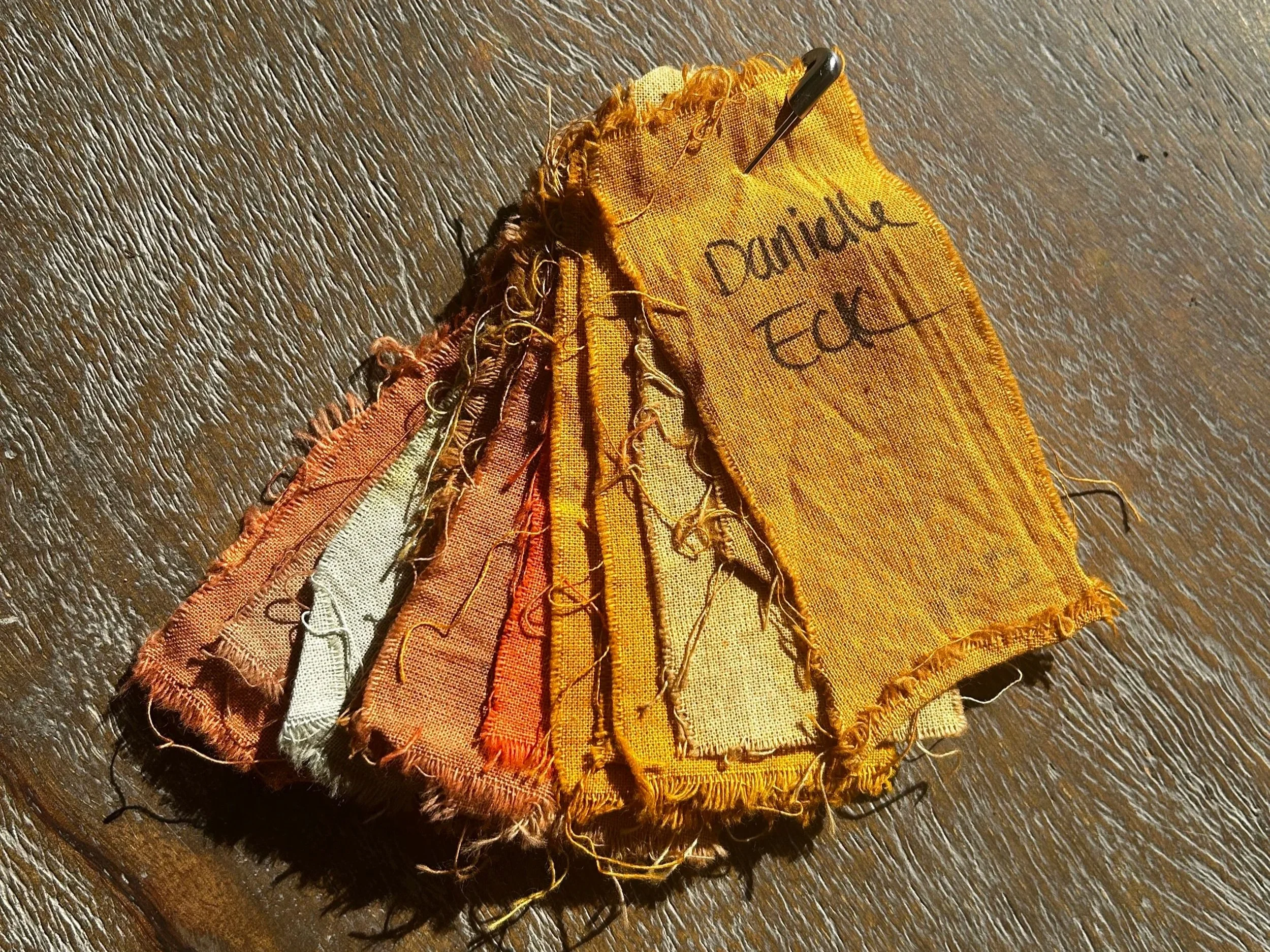
For this project, I was asked to select or create a fabric color that closely matched a specific skin tone. I was given a reference photo of the woman shown below and tasked with finding a fabric swatch that accurately reflected her complexion. To achieve this, I experimented with color mixing and used RIT dye to custom-dye the fabric until I reached a tone that best matched her natural skin color. The process required careful observation and multiple dye adjustments to capture the subtle undertones present in her complexion.
All of my attempts
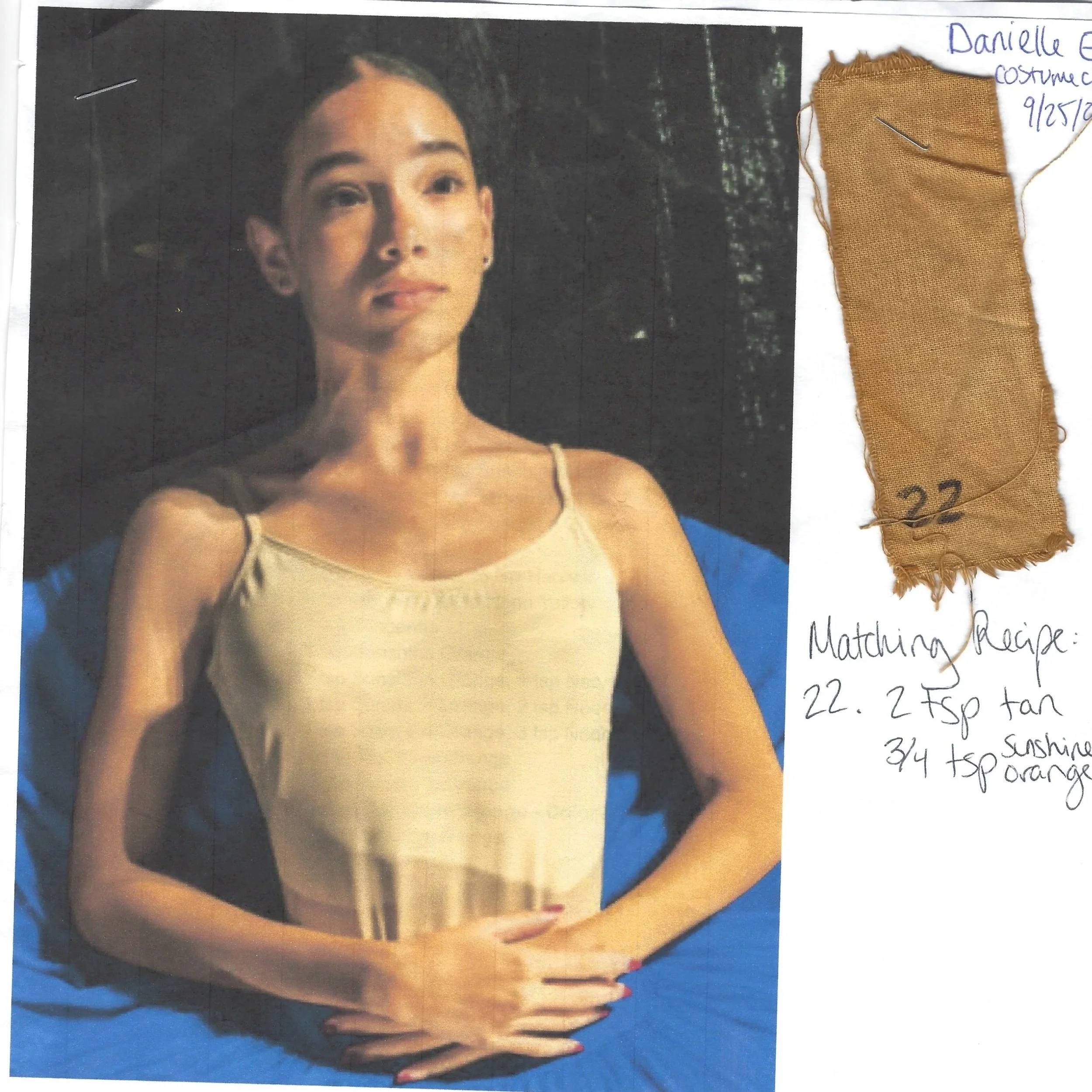
Skin tone match
COLOR MATCHING
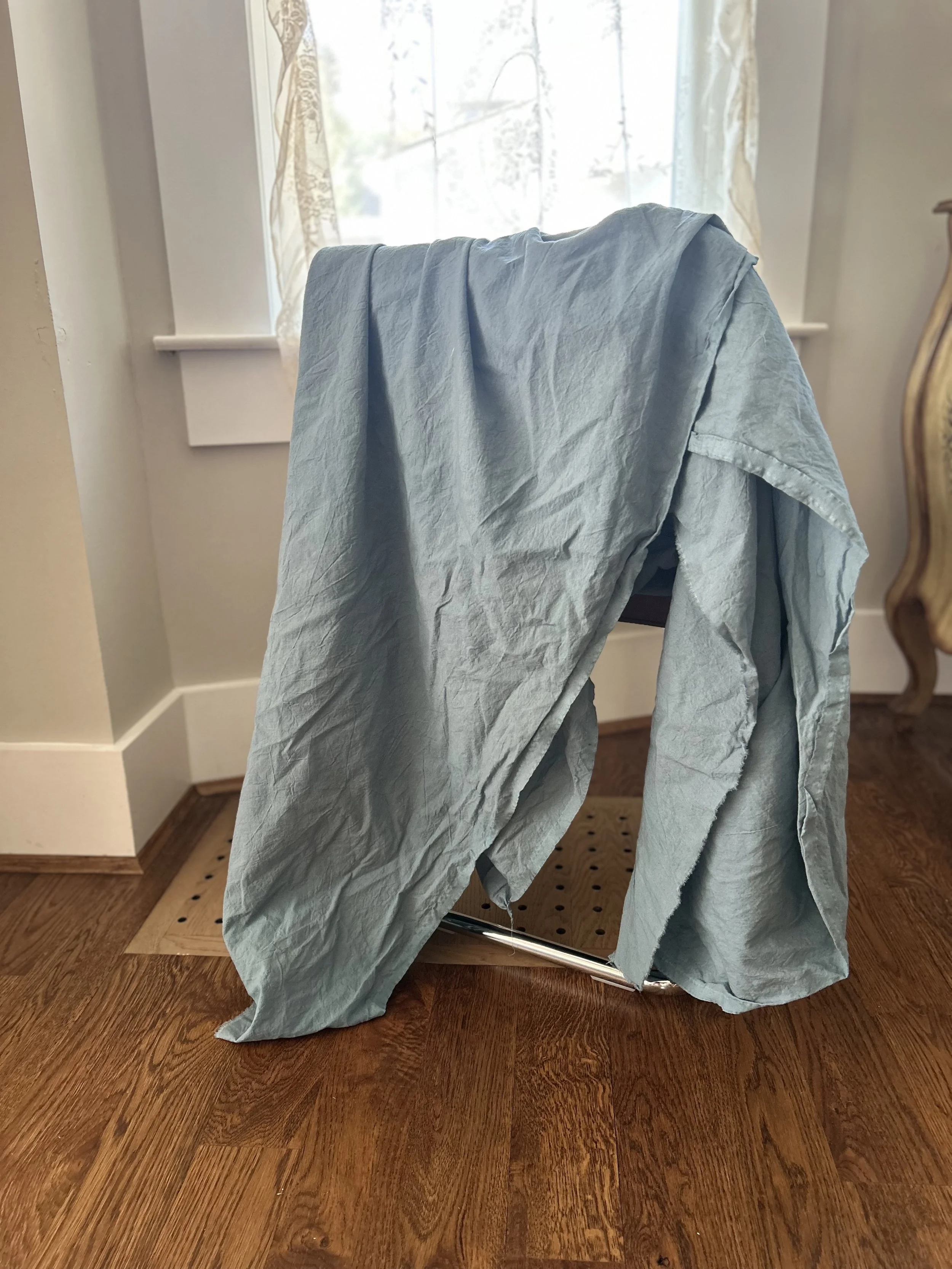
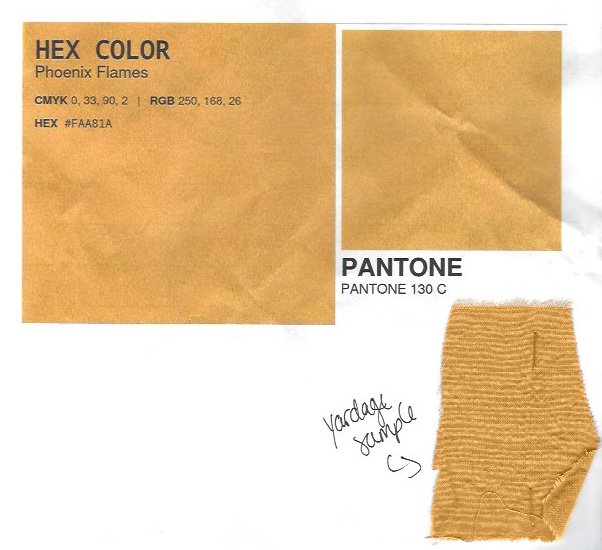
For this project, I had to color match to a specific Pantone color. The yardage sample is my attempt at color matching to the Pantone color. I measured and mixed RIT dyes to achieve the exact tone. This process taught me the importance of precision and patience when working with dye, as even slight variations can affect the final result. I
color wheels
For this project, I learned how to dye fabric by experimenting with different dye techniques and creating custom color wheels. We worked with a range of fiber-reactive dyes, exploring how various pigments blend and shift when mixed in different proportions. By making color wheels, I gained a deeper understanding of color theory, including primary, secondary, and tertiary colors. This hands-on process not only taught me precise dye measurements and timing but also allowed me to control color saturation and hue.
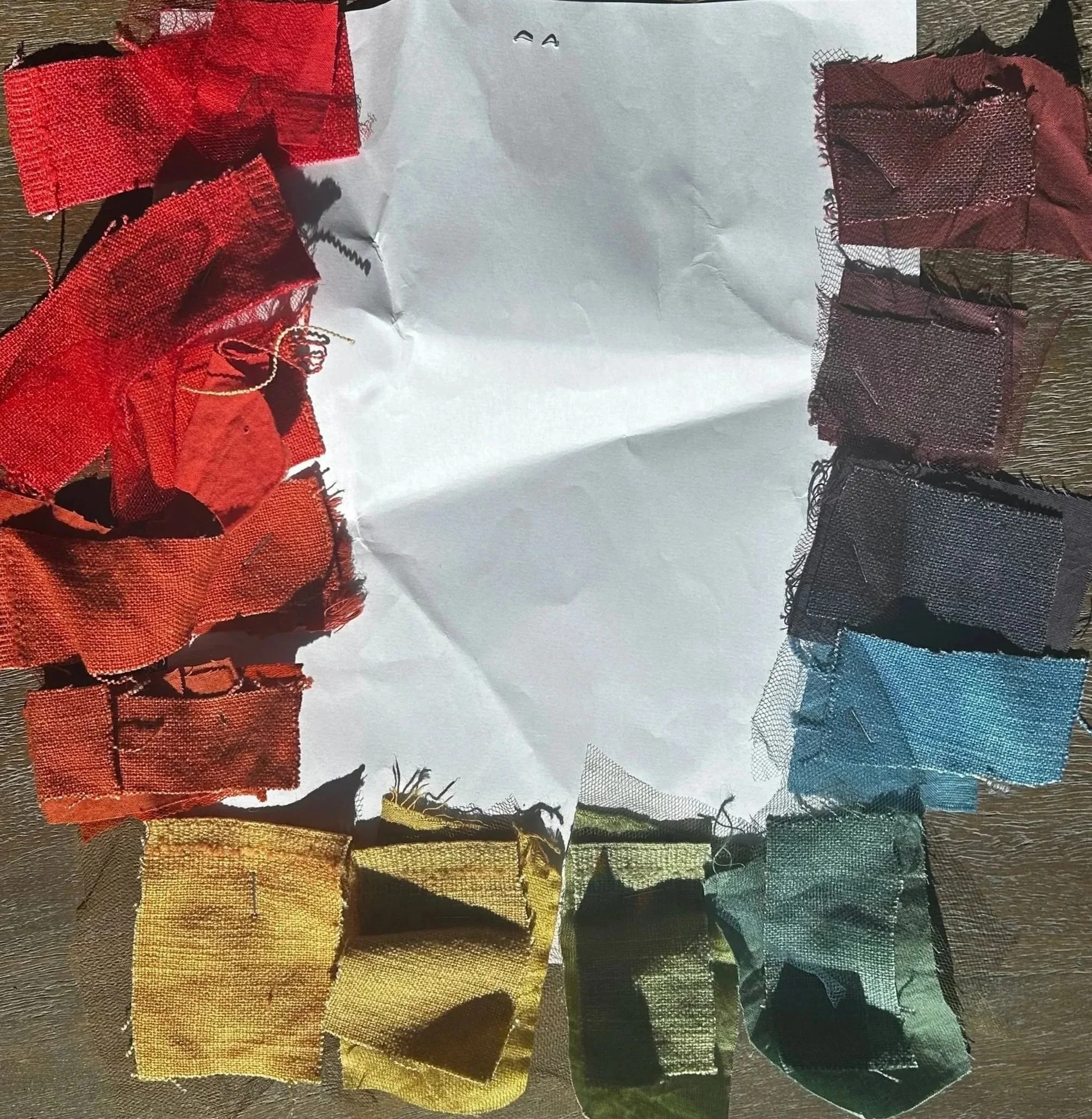
RIT Dye Color Wheel
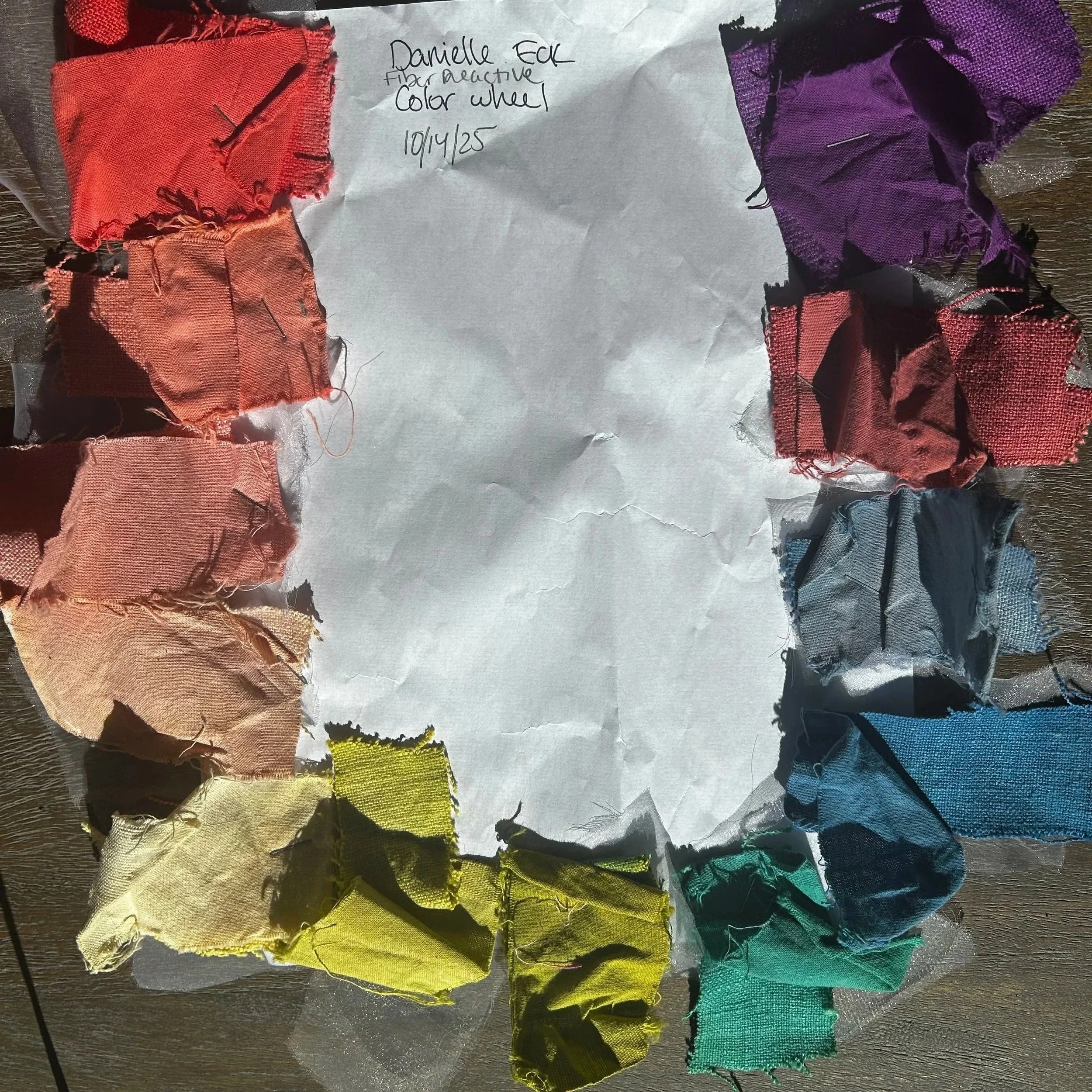
Fiber Reactive Color Wheel
Fiber Reactive dye
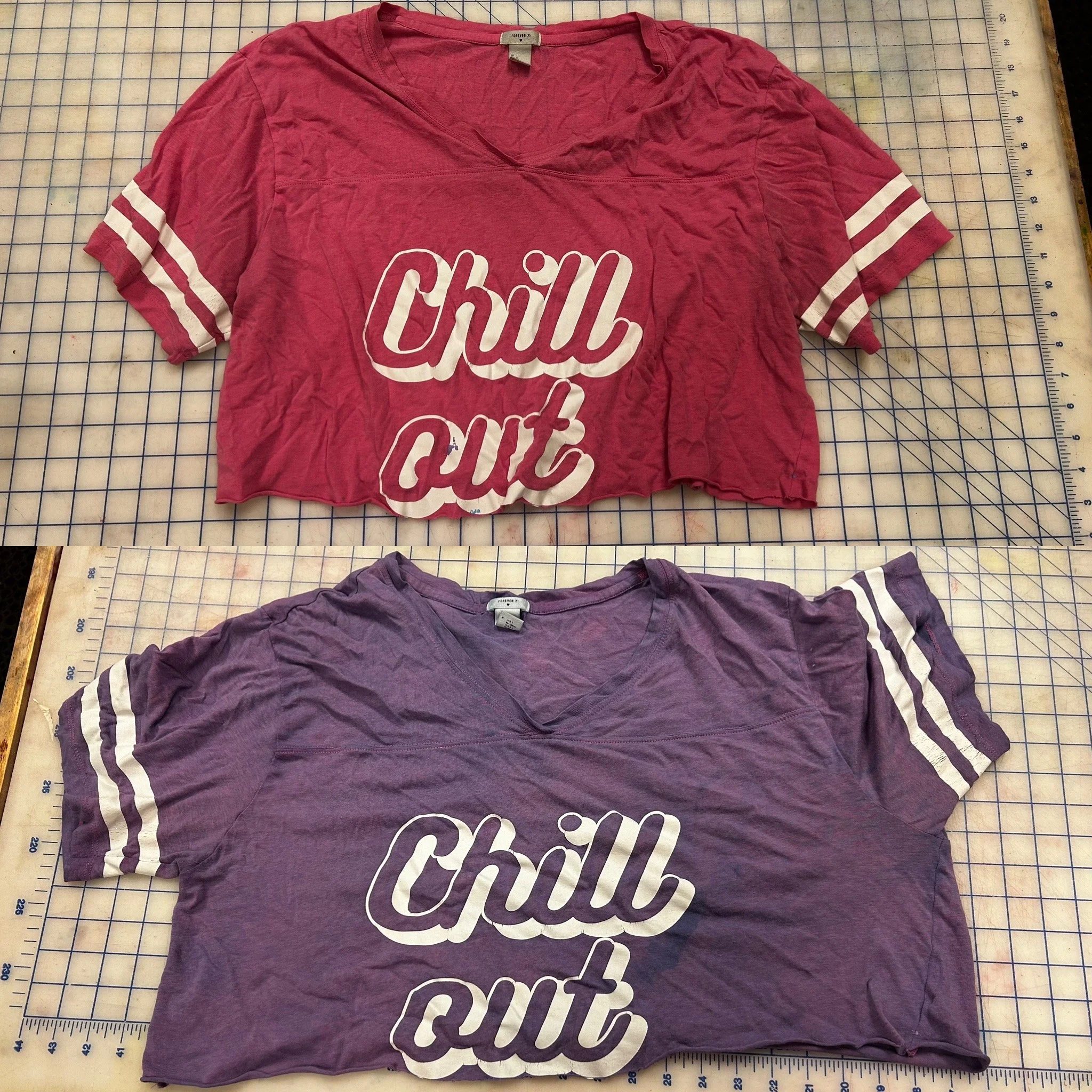
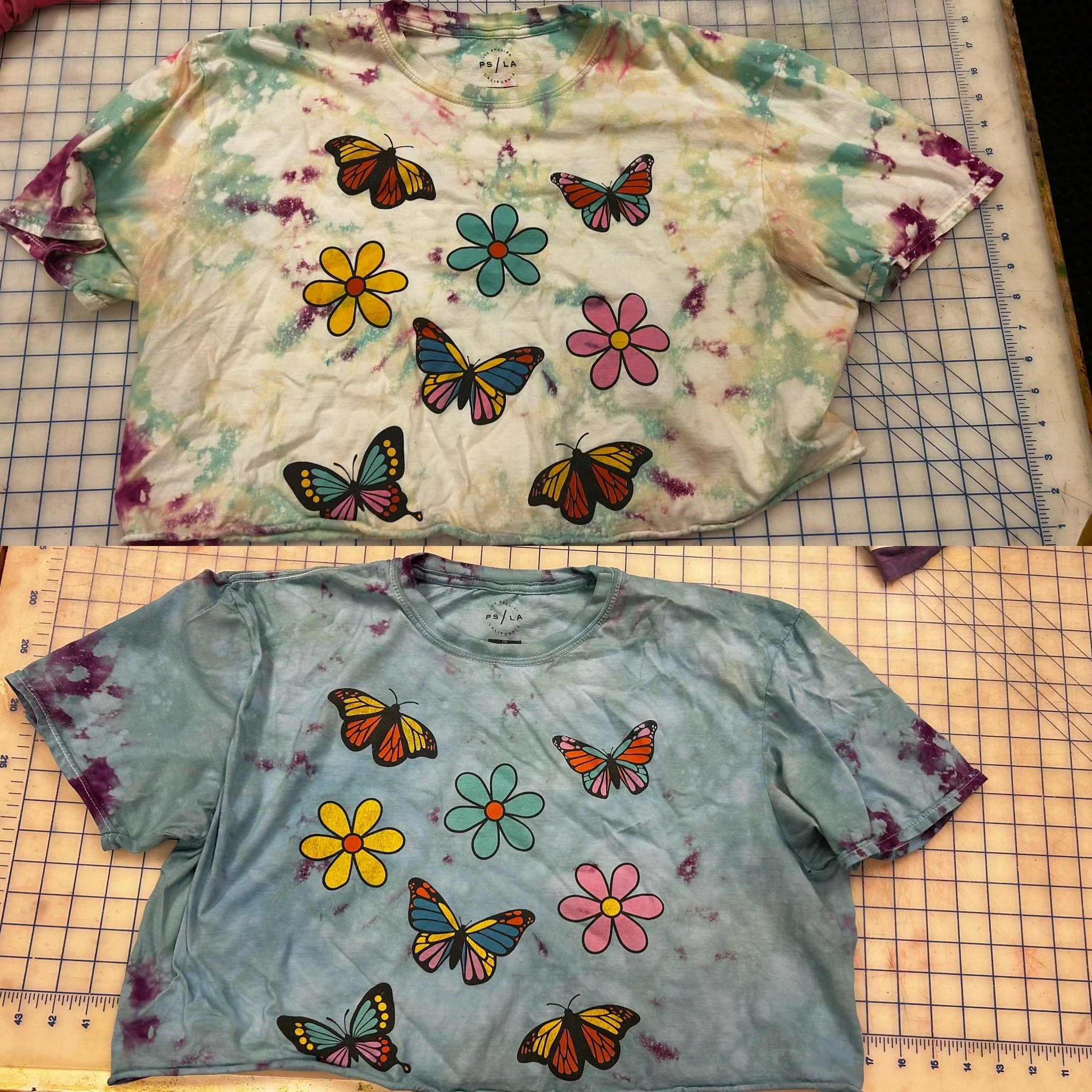
For this project, I had to dye shirts that already had color in them, using fiber-reactive dye. I transformed one shirt from pink to purple and another from yellow to blue. This required color theory application, as the existing dye affected how the new color layered and reacted. I had to account for how the base tones would interact with the added dyes. This demonstrated how to creatively modify existing garments while maintaining fiber integrity."
DYEING YARDAGE IN A DYE VAT
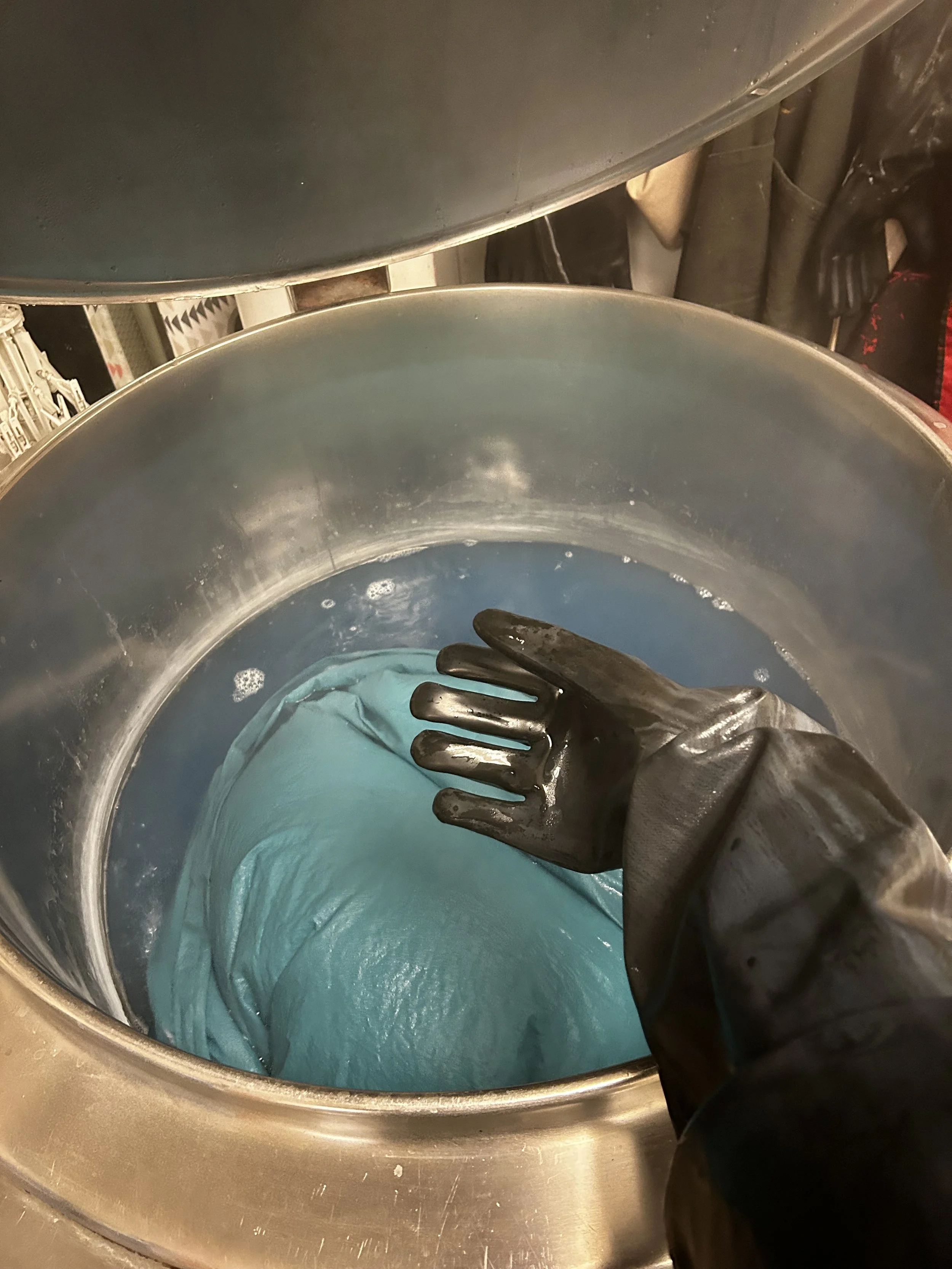
For this project, I had to use the large dye vat to dye three yards of fabric evenly. This required precise timing and proper dye-to-water ratios to ensure the color absorbed uniformly across the entire length of fabric. I monitored the temperature and stirred throughout to prevent streaking or blotching. This process taught me how to manage large-scale dyeing projects, which is essential for creating custom yardage for costume builds and ensuring consistency across multiple pieces of fabric in a production.